Meditation Techniques For Stress Relief
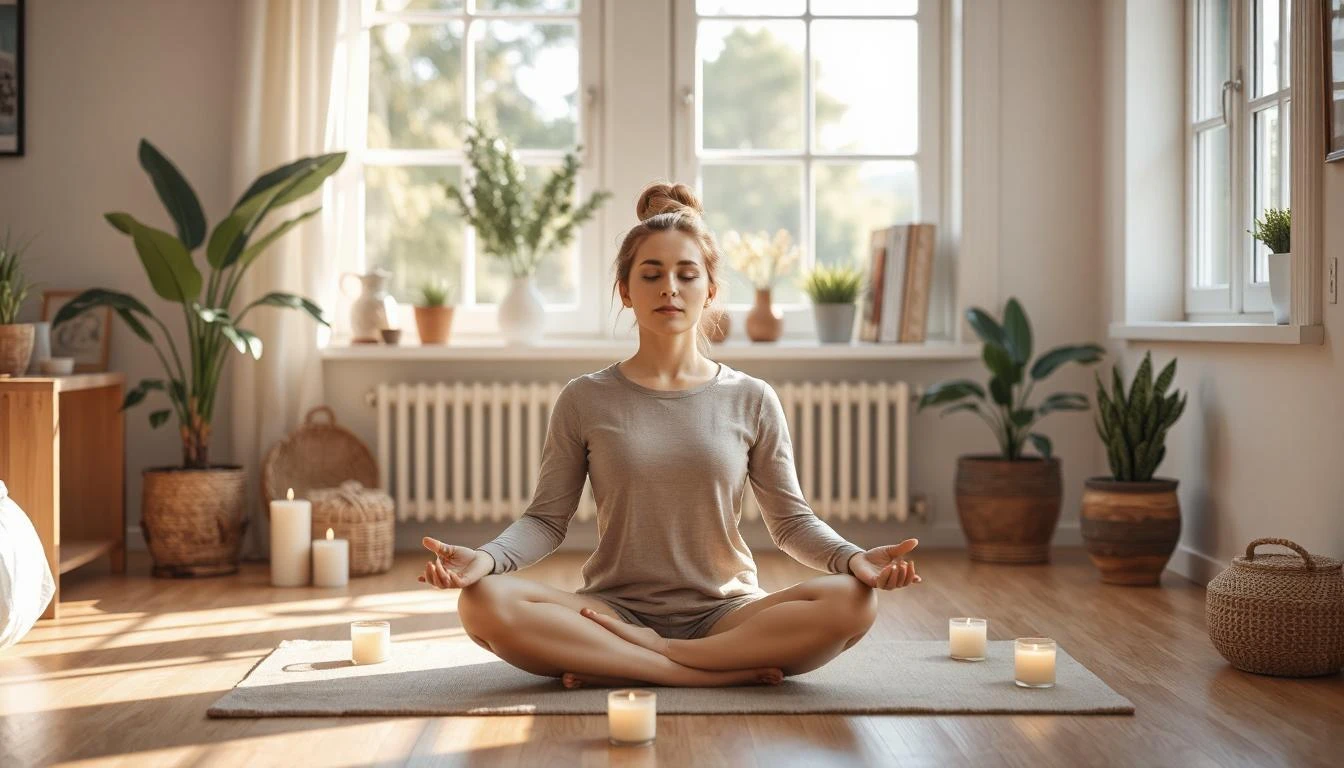
Stress often arrives quietly, then suddenly takes over everything, your focus, your sleep, even your decision-making. Yet in the middle of that mental noise, there is a surprisingly simple doorway back to clarity. It does not require escape or isolation, only awareness of the present moment and a willingness to slow down internally.
What makes this approach so powerful is how accessible it is in everyday life, whether you are working, studying, or simply trying to breathe through a busy day. The practice of mindfulness meditation techniques has been widely studied in modern psychology and is increasingly used in corporate wellness programs, therapy settings, and personal routines as a reliable stress-management tool.
Why Meditation Helps Reduce Stress
Meditation is not about silencing thoughts completely, but about changing your relationship with them. This shift is where real stress relief begins.
mindfulness meditation techniques work by gently training attention away from reactive thinking patterns and toward present-moment awareness. This creates measurable changes in stress response systems, especially in regulating cortisol reduction, emotional stability, and mental clarity. Over time, the mind becomes less reactive and more observant, allowing you to respond instead of panic.
The real transformation happens when awareness becomes consistent. As Dr. Jon Kabat-Zinn once explained, “You can’t stop the waves, but you can learn to surf.” This reflects how present moment awareness helps individuals navigate stress without being overwhelmed by it.
Another important layer is how meditation supports the nervous system. When practiced regularly, it activates the body’s relaxation response, helping balance emotional fluctuations and reduce mental fatigue. This is why many therapists now recommend meditation as part of structured stress recovery programs.
Calming the mind through mindfulness
The brain is constantly processing information, even when you are not aware of it. Through mindfulness meditation techniques, attention is gently redirected to breathing, sensations, or simple awareness of thoughts. This reduces overactivation in the amygdala and supports healthier cognitive processing.
Improving emotional balance and focus
Emotional instability often comes from overstimulation. Meditation strengthens emotional regulation by improving the brain’s ability to pause before reacting. This creates a buffer between stimulus and response, improving both focus and patience in daily situations.
Supporting mental and physical relaxation
Deep relaxation is not just mental, it is physiological. Meditation encourages parasympathetic activation, slowing heart rate and reducing muscle tension. According to neuroscientist Dr. Sara Lazar, “Meditation can literally change the structure of the brain related to stress response and self-awareness.”
Popular Meditation Techniques For Beginners
Starting meditation does not require perfection, only curiosity and consistency. The key is finding a method that feels natural enough to repeat daily without pressure.
Mindfulness meditation techniques are especially beginner-friendly because they do not demand complicated rituals. Instead, they rely on simple attention training that can be done anywhere, even in short sessions.
Many beginners search for how to practice mindfulness meditation techniques for stress relief at home, and the answer often begins with small, intentional steps rather than long sessions.
What if just five minutes a day could begin shifting the way your mind reacts to stress forever?
Deep breathing and relaxation exercises
Breathing is the most immediate tool for regulating stress. By slowing inhalation and exhalation, the body signals safety to the nervous system. This technique is often used in stress relief breathing exercises and forms the foundation of many meditation practices.
Guided meditation for daily practice
Guided sessions provide structure for beginners who struggle with focus. A voice leads the attention, making it easier to stay present. This method is widely used in apps and wellness platforms because it supports consistency without requiring prior experience.
Mindfulness meditation for mental clarity
This form of practice encourages observing thoughts without judgment. Over time, it improves mental clarity and reduces overthinking. Many practitioners report improved decision-making and reduced anxiety after consistent use of mindfulness meditation techniques.
Building A Consistent Meditation Habit
Consistency is where meditation transforms from an activity into a lifestyle. Without regular practice, benefits remain temporary rather than cumulative.
Developing a habit around mindfulness meditation techniques allows the brain to adapt more quickly to calm states. This reduces resistance over time and makes relaxation feel more natural.
Imagine your mind gradually learning calmness the same way it learned stress, through repetition and familiarity.
Creating a quiet and comfortable space
Environment shapes behavior more than most people realize. A dedicated space signals the brain that it is time to slow down. Even a small corner can become a powerful anchor for mindfulness meditation techniques practice.
Practicing meditation at the same time daily
Routine builds neurological predictability. Practicing at the same time each day reinforces habit loops in the brain, making meditation easier to maintain long-term. This is especially useful for beginners trying to build discipline.
Managing distractions during meditation sessions
Distractions are not failures, they are part of training attention. Each time focus is gently brought back, the mind becomes stronger. This process strengthens attention control mechanisms, improving focus in everyday life.
Find Calmness With Meditation Techniques
Meditation is ultimately about learning how to return to yourself, no matter how chaotic life becomes. The practice of mindfulness meditation techniques offers a sustainable way to manage stress without relying on external solutions.
The more consistently it is practiced, the more natural calmness becomes. Stress may still appear, but it no longer controls your internal state. As psychologist Dr. Daniel Goleman notes, “Attention is the most basic form of taking possession of your mind.”
This is where real change begins, not in removing stress entirely, but in changing how you relate to it.